How Breathwork Can Support Your Yoga Practice
Breathwork can bring greater awareness and steadiness to a yoga practice. By noticing how the breath moves and choosing a comfortable rhythm, you can connect movement with attention rather than simply moving from one pose to the next.
Creating a link between breath and movement
In many yoga sequences, breath offers a gentle cue for when to move. You might inhale as you lengthen or open the body, and exhale as you fold or settle into a pose. The exact pattern depends on the practice and the teacher’s guidance; there is no need to force every movement to match a particular breath.
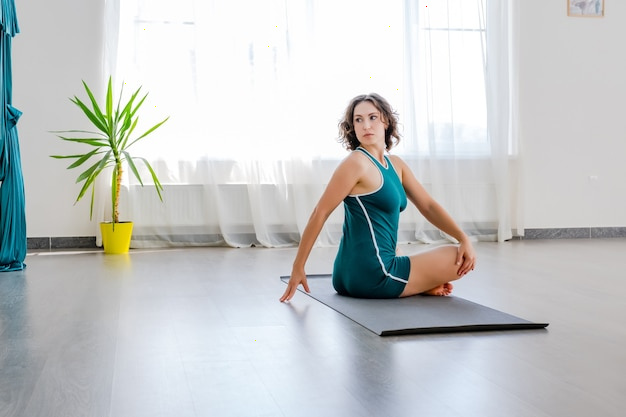
If the timing feels difficult, pause and return to natural breathing. Moving at a pace that allows you to breathe comfortably can make a sequence feel more considered and help you notice when you need to modify a pose.
Supporting focus and body awareness
Attention can drift during practice, especially when a pose feels unfamiliar or challenging. Gently observing the breath gives the mind a simple point of focus. You may also notice how your breathing changes with effort, posture or emotion.
Treat these observations as information, not as a reason to judge yourself. If your breath becomes strained or you find yourself holding it, ease out of the pose, take a break or choose a gentler variation.
Finding steadiness in held poses
During a standing or seated pose, an even, unforced breath can help you stay present. Rather than trying to breathe deeply at all costs, allow the breath to remain comfortable and keep checking in with your body. If you cannot breathe easily, the pose may need adjusting.
Breath awareness can also help you recognise the difference between a manageable challenge and discomfort that calls for a change. It does not mean pushing through pain. Leave a pose if you feel sharp pain, dizziness or unusual breathlessness, and seek appropriate guidance if you are unsure what is suitable for you.
Using breath at the beginning and end of practice
You can take a few moments before moving to notice the natural rhythm of your breathing. There is no special technique required: simply sit or lie in a comfortable position and observe each inhale and exhale without trying to make them bigger.
At the end of practice, quiet attention to the breath can offer a gradual transition back to everyday activity. Keep the breath easy. If focusing on it feels uncomfortable, open your eyes, shift your attention to the room or return to normal movement.
A gentle approach to breathwork
Breathwork does not need to be elaborate to be useful. Start with simple awareness, follow your teacher’s instructions and avoid forcing long breaths, breath holds or rapid breathing. If you have a health concern, are pregnant, or have been advised to follow specific breathing guidance, check with a qualified healthcare professional or yoga teacher before trying a new technique.
With patience, breath awareness can help you move with more attention, adjust your practice to suit the day and make space for stillness between poses.